The World Feels Heavy Right Now. You’re Not Crazy for Feeling It.
The World Feels Heavy Right Now. You’re Not Crazy for Feeling It.
There is a collective weight in the air.
You can feel it in conversations. In headlines. In social media scrolls. In the way your nervous system doesn’t fully relax anymore.
The current state of the world feels unpredictable. Polarized. Loud. Sometimes unsafe.
And for many of us especially those in BIPOC and LGBTQIA+ communities that weight is not abstract. It’s personal.
It’s about safety.
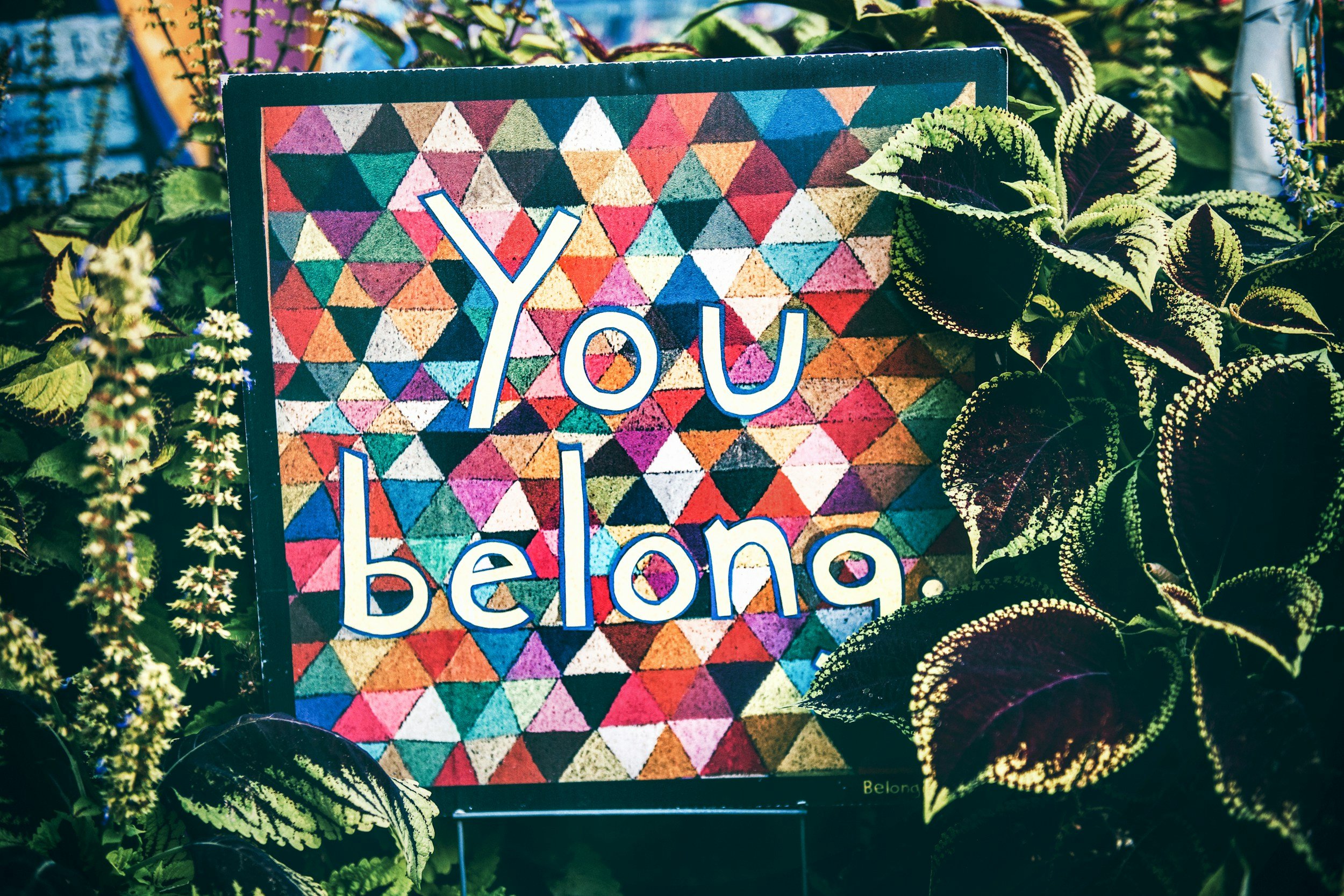
It’s about belonging.
It’s about rights.
It’s about being seen as fully human.
If you’ve been feeling anxious, overwhelmed, exhausted, angry, numb, or emotionally stretched thin that response makes sense.
Your nervous system is responding to real stressors.
Collective Stress Is Still Stress
As a Black female therapist, I want to name something clearly.
When the world feels unstable, your body knows.
You may not always consciously process every headline or policy shift, but your nervous system registers patterns of threat, uncertainty, and social tension.
For marginalized communities, this can activate:
Hypervigilance
Emotional fatigue
Identity-based stress
Grief for where we thought we were headed
Anger that has nowhere safe to land
A deep sense of being tired
This is not weakness.
This is your body attempting to protect you.
The Invisible Labor of Being Strong
In BIPOC communities, strength is often praised. In LGBTQIA+ spaces, resilience is often required.
But strength without space to soften becomes burnout.
Many of my clients carry:
Generational survival patterns
The pressure to succeed as proof of worth
The burden of educating others
The exhaustion of code-switching
The fear of being misunderstood or dismissed
And in times like this, those layers can feel amplified.
You don’t have to perform resilience all the time.
You are allowed to feel affected.
Mental Health in a Politically Charged Climate
You can care about what’s happening in the world and still protect your mental health.
You can be informed without being consumed.
You can advocate and still rest.
Therapeutically, here’s what I often explore with clients during seasons like this:
Regulate Before You React
Your nervous system deserves grounding before engagement. Breathwork. Limiting news intake. Stepping outside. Reconnecting with your body.
Differentiate Personal Threat from Global Noise
Not every headline requires immediate emotional immersion. We work on distinguishing what impacts you directly from what is activating but not actionable right now.
Build Safe Community
Isolation amplifies anxiety. Intentional community regulates it. Safe spaces matter. Being around people who affirm your identity matters.
Grieve What Feels Lost
There is real grief in watching social progress feel fragile. Suppressing that grief doesn’t make it disappear. It often shows up as irritability, shutdown, or anxiety.
You Are Not Overreacting
If you are part of the LGBTQIA+ community, if you are Black, Brown, Indigenous, immigrant, disabled, if you live at the intersection of multiple identities the state of the world can hit differently.
That doesn’t make you dramatic.
It means your lived experience shapes your perception of safety.
And safety is foundational to mental health.
What Healing Looks Like Right Now
Healing right now may not look like constant positivity.
It may look like:
Setting boundaries around media consumption
Unfollowing accounts that spike anxiety
Choosing joy intentionally
Going to therapy consistently
Having hard conversations
Resting without guilt
Allowing yourself to feel both hope and fear at the same time
Healing is not disengagement.
It is sustainability.
A Personal Note
As a therapist who proudly supports BIPOC and LGBTQIA+ communities, my work is rooted in creating spaces where you don’t have to shrink, explain your existence, or defend your humanity.
Your anxiety makes sense.
Your anger makes sense.
Your exhaustion makes sense.
And you deserve support that understands the cultural, social, and identity-based layers underneath it.
Final Thought
The world may feel uncertain.
But your healing does not have to be.
If you’ve been carrying more than you let people see, therapy can be a space to unpack it safely without judgment, without minimizing, and without being told you’re too sensitive.
You are not too much.
You are responding to a lot.
And you don’t have to navigate it alone.
There is a collective weight in the air.
You can feel it in conversations. In headlines. In social media scrolls. In the way your nervous system doesn’t fully relax anymore.
The current state of the world feels unpredictable. Polarized. Loud. Sometimes unsafe.
And for many of us especially those in BIPOC and LGBTQIA+ communities that weight is not abstract. It’s personal.
It’s about safety.
It’s about belonging.
It’s about rights.
It’s about being seen as fully human.
If you’ve been feeling anxious, overwhelmed, exhausted, angry, numb, or emotionally stretched thin that response makes sense.
Your nervous system is responding to real stressors.
Collective Stress Is Still Stress
As a Black female therapist, I want to name something clearly.
When the world feels unstable, your body knows.
You may not always consciously process every headline or policy shift, but your nervous system registers patterns of threat, uncertainty, and social tension.
For marginalized communities, this can activate:
Hypervigilance
Emotional fatigue
Identity-based stress
Grief for where we thought we were headed
Anger that has nowhere safe to land
A deep sense of being tired
This is not weakness.
This is your body attempting to protect you.
The Invisible Labor of Being Strong
In BIPOC communities, strength is often praised. In LGBTQIA+ spaces, resilience is often required.
But strength without space to soften becomes burnout.
Many of my clients carry:
Generational survival patterns
The pressure to succeed as proof of worth
The burden of educating others
The exhaustion of code-switching
The fear of being misunderstood or dismissed
And in times like this, those layers can feel amplified.
You don’t have to perform resilience all the time.
You are allowed to feel affected.
Mental Health in a Politically Charged Climate
You can care about what’s happening in the world and still protect your mental health.
You can be informed without being consumed.
You can advocate and still rest.
Therapeutically, here’s what I often explore with clients during seasons like this:
Regulate Before You React
Your nervous system deserves grounding before engagement. Breathwork. Limiting news intake. Stepping outside. Reconnecting with your body.
Differentiate Personal Threat from Global Noise
Not every headline requires immediate emotional immersion. We work on distinguishing what impacts you directly from what is activating but not actionable right now.
Build Safe Community
Isolation amplifies anxiety. Intentional community regulates it. Safe spaces matter. Being around people who affirm your identity matters.
Grieve What Feels Lost
There is real grief in watching social progress feel fragile. Suppressing that grief doesn’t make it disappear. It often shows up as irritability, shutdown, or anxiety.
You Are Not Overreacting
If you are part of the LGBTQIA+ community, if you are Black, Brown, Indigenous, immigrant, disabled, if you live at the intersection of multiple identities the state of the world can hit differently.
That doesn’t make you dramatic.
It means your lived experience shapes your perception of safety.
And safety is foundational to mental health.
What Healing Looks Like Right Now
Healing right now may not look like constant positivity.
It may look like:
Setting boundaries around media consumption
Unfollowing accounts that spike anxiety
Choosing joy intentionally
Going to therapy consistently
Having hard conversations
Resting without guilt
Allowing yourself to feel both hope and fear at the same time
Healing is not disengagement.
It is sustainability.
A Personal Note
As a therapist who proudly supports BIPOC and LGBTQIA+ communities, my work is rooted in creating spaces where you don’t have to shrink, explain your existence, or defend your humanity.
Your anxiety makes sense.
Your anger makes sense.
Your exhaustion makes sense.
And you deserve support that understands the cultural, social, and identity-based layers underneath it.
Final Thought
The world may feel uncertain.
But your healing does not have to be.
If you’ve been carrying more than you let people see, therapy can be a space to unpack it safely without judgment, without minimizing, and without being told you’re too sensitive.
You are not too much.
You are responding to a lot.
And you don’t have to navigate it alone.

5 Signs You’re Overwhelmed and Need Support Moving Into 2026
Essence of Balance Counseling & Coaching, LLC
A Fully Virtual Group Practice Serving Clients Across South Carolina
As we move into 2026, many people are recognizing just how emotionally demanding the past year has been. Constant transitions, relationship stress, work expectations, identity shifts, and ongoing responsibilities can push anyone into high-functioning overwhelm. At Essence of Balance Counseling & Coaching, our virtual therapy team supports individuals across South Carolina who are navigating anxiety, depression, trauma, burnout, and the emotional weight of trying to manage life without enough space to breathe. If you feel stretched thin heading into the new year, you’re not alone. Here are five signs your mind and body may be telling you it’s time for support.
1. You feel mentally drained even when nothing “major” is happening
Sometimes overwhelm develops silently. It’s the buildup of emotional labor, caretaking, internal pressure, or long stretches of pushing through without rest. When your mind feels tired for no obvious reason, it often means your capacity has been exceeded, even if you’ve learned to function through it.
2. Your mood has shifted and you’re more reactive, sensitive, or emotionally shut down
Stress often shows up in changes to your emotional responses. You might find yourself easily irritated, more sensitive, or withdrawing from people you love. You may not feel like your usual self, and even simple interactions may feel heavier. These mood shifts are rarely random. They are signs that your emotional load has become difficult to carry.
3. You’re overthinking decisions or doubting yourself more than usual
Overthinking is one of the most common indicators of overwhelm. You may replay conversations, question your choices, or feel pressure to make the “perfect” decision. Everyday tasks can start to feel heavier than they actually are. When your mind is working overtime, it’s often trying to regain a sense of control in the face of internal stress.
4. You feel disconnected from your goals, relationships, or even yourself
Disconnection can appear as numbness, lack of motivation, or a sense that you’re simply moving through the motions. You might feel present physically but distant internally. When your emotional bandwidth has been stretched too far, it becomes harder to feel grounded in your values, your identity, and your relationships.
5. You’re functioning well externally, but internally you feel overwhelmed
Many people experience a form of “high-functioning stress,” where everything looks fine from the outside but feels overwhelming on the inside. You may appear composed, productive, and responsible while privately feeling anxious, depleted, or unseen. This inner experience is real and deserves space to be acknowledged and supported.
What therapy can offer as you enter 2026
Our virtual South Carolina therapy team provides a range of evidence-based, culturally responsive, and individualized approaches to help you understand what you’re carrying and reconnect with emotional steadiness. Our clinicians use Cognitive Behavioral Therapy (CBT), Psychodynamic Therapy, Existential approaches, Mindfulness-based interventions, DBT-informed strategies, Trauma-informed care, Person-Centered therapy, and identity-affirming, culturally grounded practices. Therapy offers a space to slow down, reflect, process old patterns, strengthen boundaries, and build tools that support real emotional change.
You don’t have to carry this into the new year
If you recognize yourself in any of these signs, now may be the time to begin therapy or return to consistent support. Essence of Balance Counseling & Coaching is a fully virtual group practice serving clients throughout South Carolina, and our clinicians have availability for new clients seeking therapy in 2026. We offer flexible scheduling, accessible online sessions, and a warm, affirming space to heal and grow.
Visit our website at www.eobcounseling.org to schedule a consultation to get started with virtual therapy in South Carolina. You deserve support that helps you enter the new year with more clarity, balance, and emotional peace.